Personalized Pilates for Hip Stiffness: A Results Reality Check
Atlantic Chiropractic • August 25, 2026
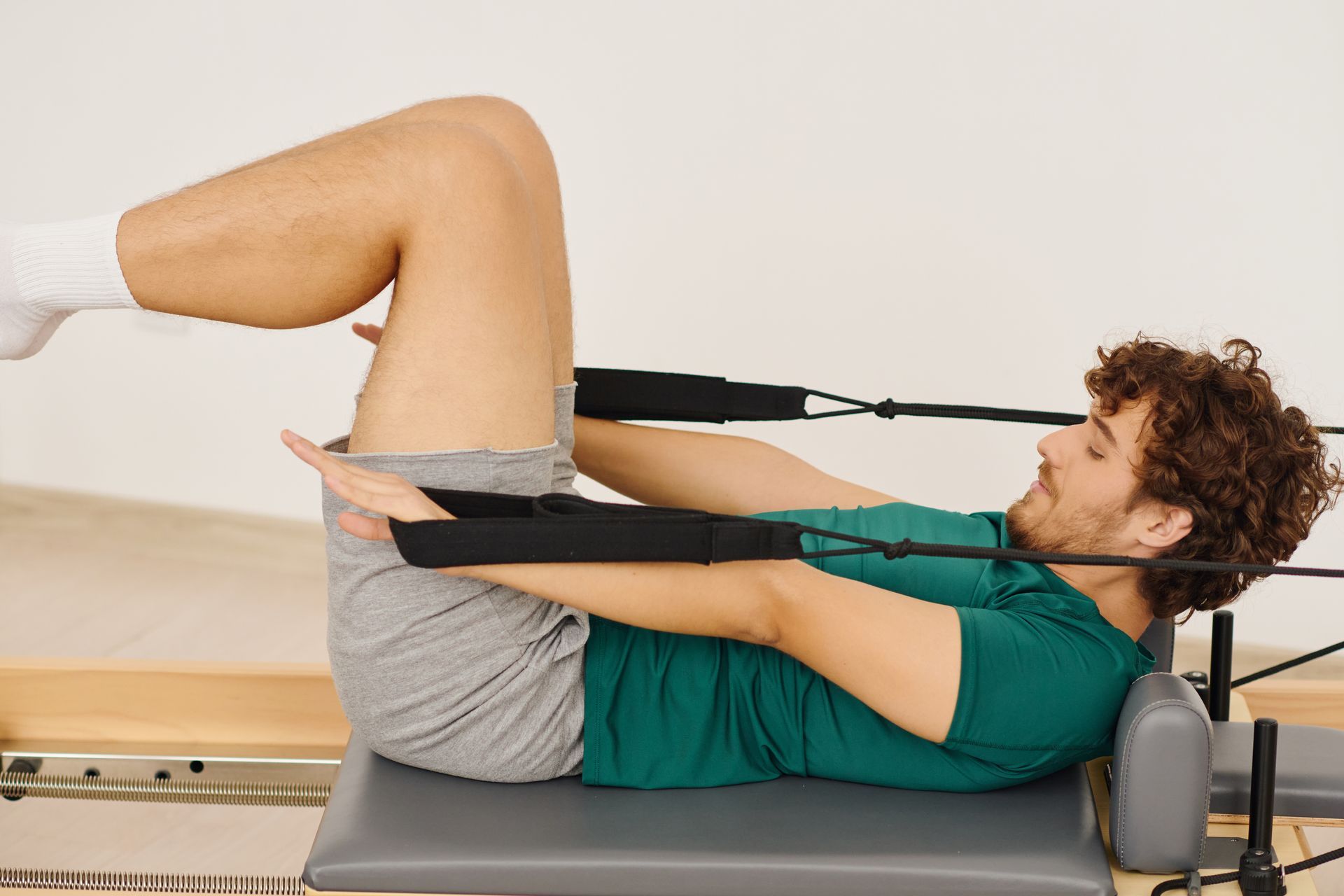
Desk workers often struggle with tight hips and lower back immobility that regular stretching simply cannot resolve. Finding a method that rebuilds core function rather than just pulling on tight muscles is the key to lasting relief. The team at Atlantic Chiropractic utilizes targeted movement therapy to retrain the body and restore natural alignment. When looking into personalized Pilates for joint stiffness, understanding the exact timeline and mechanical process helps set realistic expectations for your recovery.
When you sit for long hours, the deep stabilizing muscles of your pelvis essentially go to sleep while your hip flexors become short and rigid. Standard fitness classes often move too quickly to isolate these dormant muscles, leading people to compensate by using the wrong muscle groups. One-on-one clinical instruction focuses entirely on the micro movements required to activate the correct tissues safely. Patients in Hammonds Plains who commit to this precision-based work notice profound changes in how their body handles daily physical stress.
Topics in This Guide:
- The Mechanics of Deep Core Stability
- Addressing the Quick Fix Myth for Desk Worker Stiffness
- The Realistic Timeline for Restoring Mobility
- Frequently Asked Questions
- Beginning Your Movement Journey
The Mechanics of Deep Core Stability
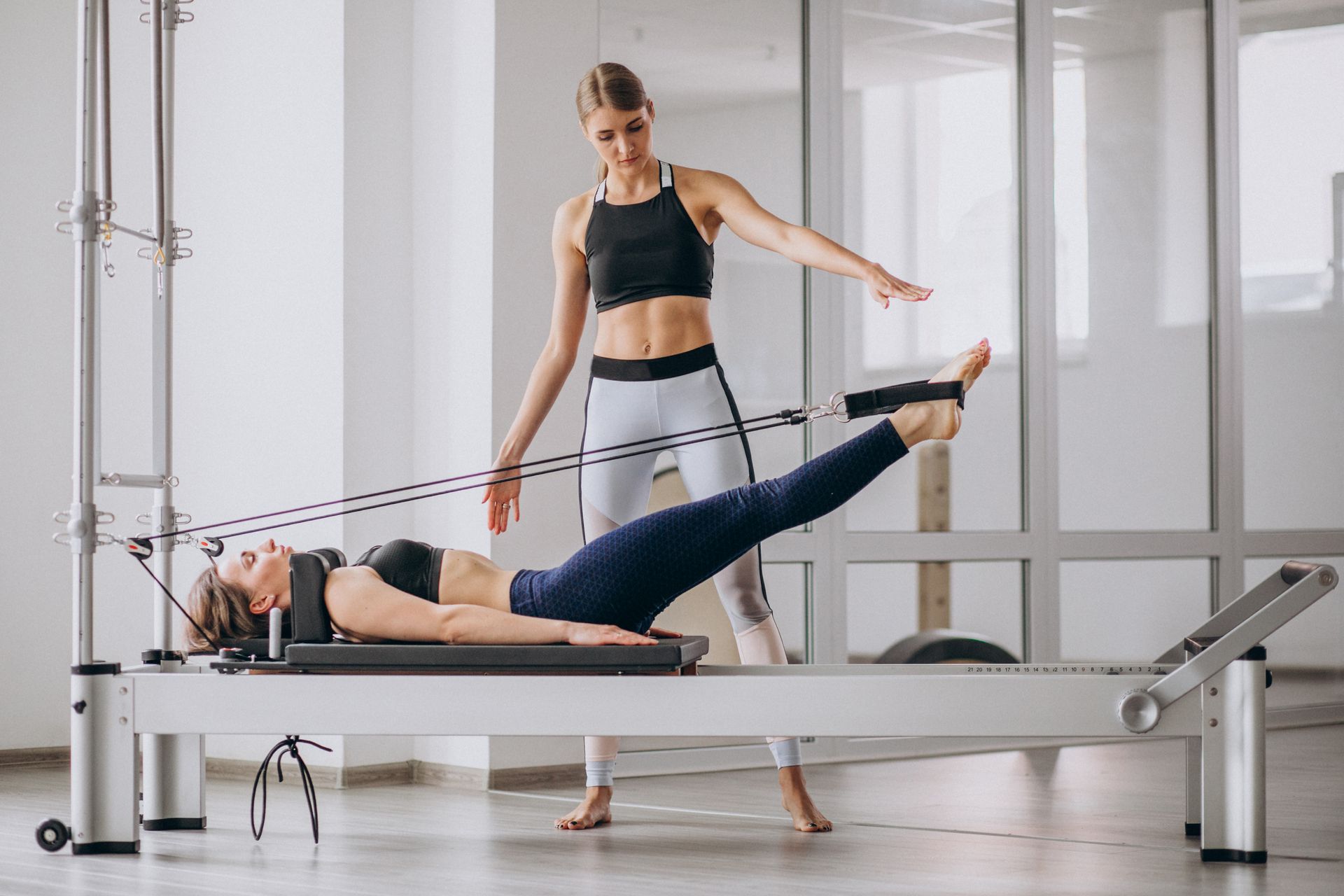
True joint mobility relies on having a strong central anchor. If the deep core muscles surrounding your spine are weak, your nervous system will naturally tighten your hips and back to create artificial stability. Personalized instruction focuses on engaging the pelvic floor and transverse abdominis before any major movement occurs. Once the brain recognizes that the spine is properly supported, it stops signaling the surrounding joints to remain locked and rigid.
→ From a professional standpoint: Releasing chronic hip tension is rarely about stretching the joint and almost always about strengthening the stabilizing muscles around it.
Addressing the Quick Fix Myth for Desk Worker Stiffness
Many patients arrive hoping that a few stretches will undo a decade of poor sitting habits. The reality is that chronic stiffness is a neurological adaptation to your daily environment. Reversing this requires consistent repetition of correct movement patterns to overwrite the old dysfunctional habits. Personalized instruction prevents you from rushing through exercises and forces you to confront the weak areas you normally avoid.
→ A quick tip to remember: Doing fewer repetitions with perfect anatomical form yields much faster results than doing high repetitions with poor mechanics.
The Realistic Timeline for Restoring Mobility
Building deep core stability and altering joint mechanics is a progressive journey. During the first few weeks, patients often feel challenged by how much mental focus is required to isolate small muscle groups. By the end of the first month, the nervous system begins to adapt and movements that felt impossible start to feel fluid. Lasting changes to your posture and daily mobility typically solidify after three to four months of consistent clinical Pilates practice.
Frequently Asked Questions
How Long Does It Take to Build Deep Core Stability?
Initial improvements in muscle activation can be felt within the first few sessions as your brain reconnects with dormant tissues. However, building the physical endurance required to hold your posture correctly throughout a long workday takes several weeks of dedicated practice. Consistency is the most important factor in accelerating this timeline.
Can Personalized Pilates Help With Severe Hip Immobility?
Yes, because the exercises are tailored specifically to your current limitations. An experienced instructor will modify the movements to ensure you are working within a safe range of motion that challenges the joint without triggering pain. As your deep core strength improves, your hips will naturally allow for a greater degree of movement.
What Is the Difference Between Clinical Pilates and Standard Fitness Classes?
Clinical instruction focuses heavily on rehabilitation and correcting specific mechanical flaws in the body. Standard fitness classes are designed for general exercise and often lack the hands-on adjustments needed for injury recovery. A personalized clinical session moves at the exact pace your nervous system requires to heal safely.
Beginning Your Movement Journey
Living with a stiff back and locked hips does not have to be an accepted part of working in an office environment. Retraining your body to move efficiently requires patience, but the long-term rewards are well worth the effort. Connect with our instructors today to schedule your initial assessment and take the first step toward lasting mobility.
Share This Blog