5 Core Fixes for Better Posture Through Personalized Pilates
Atlantic Chiropractic • September 22, 2026
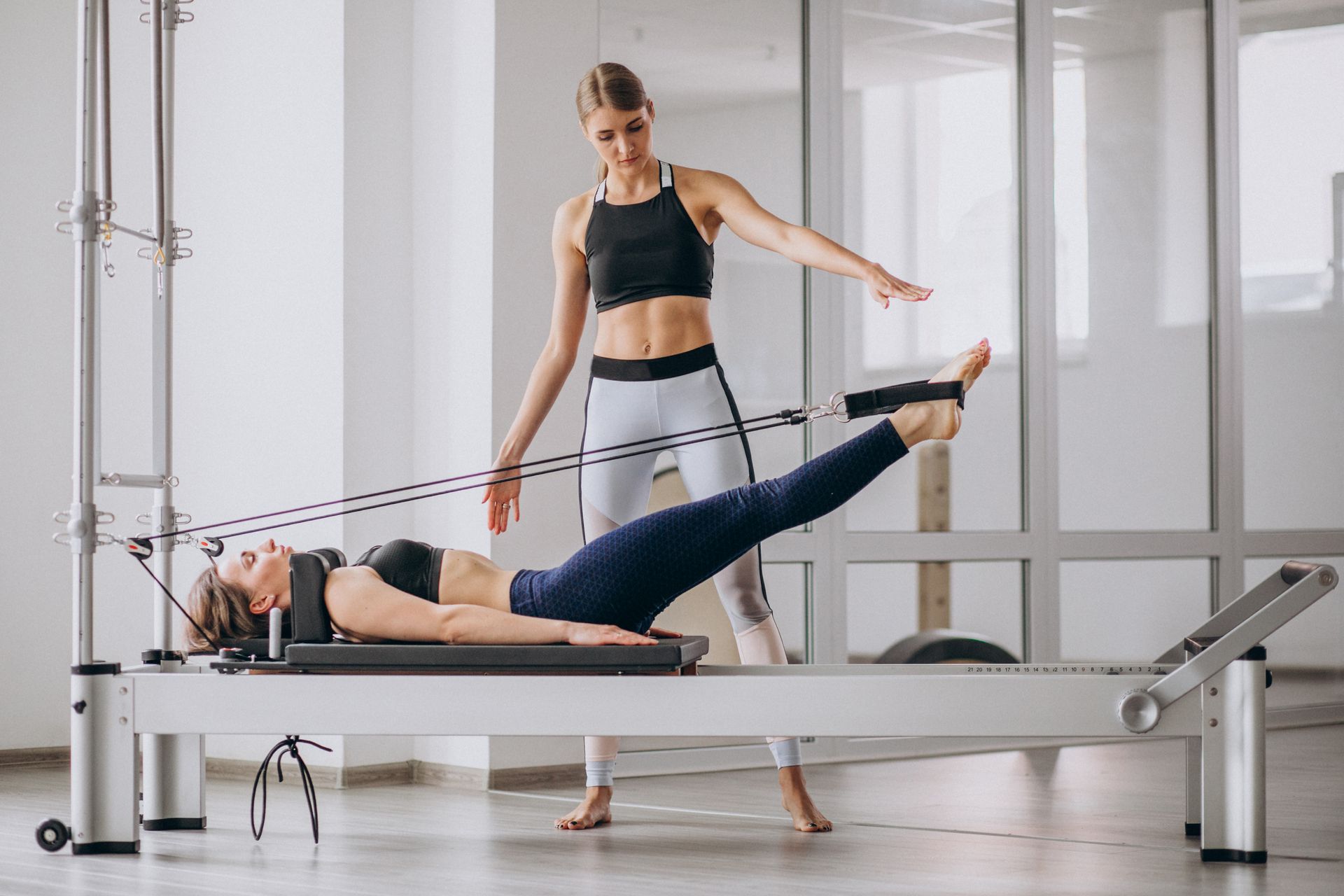
Working at a desk for years slowly conditions your body to adopt a rounded, collapsed stance that strains every joint in your back. Many people try to sit up straight, only to find themselves slouching again five minutes later because they lack the core endurance to maintain the position. At Atlantic Chiropractic, our practitioners know that true structural change requires retraining the muscles that support your spine from the inside out. Utilizing personalized Pilates for posture correction builds the deep stability needed to hold your body upright effortlessly.
Standard gym workouts typically focus on the large, visible muscles of the arms and legs while ignoring the small stabilizing muscles of the core. When these stabilizers remain weak, your lower back and neck are forced to take on the heavy burden of keeping you upright.
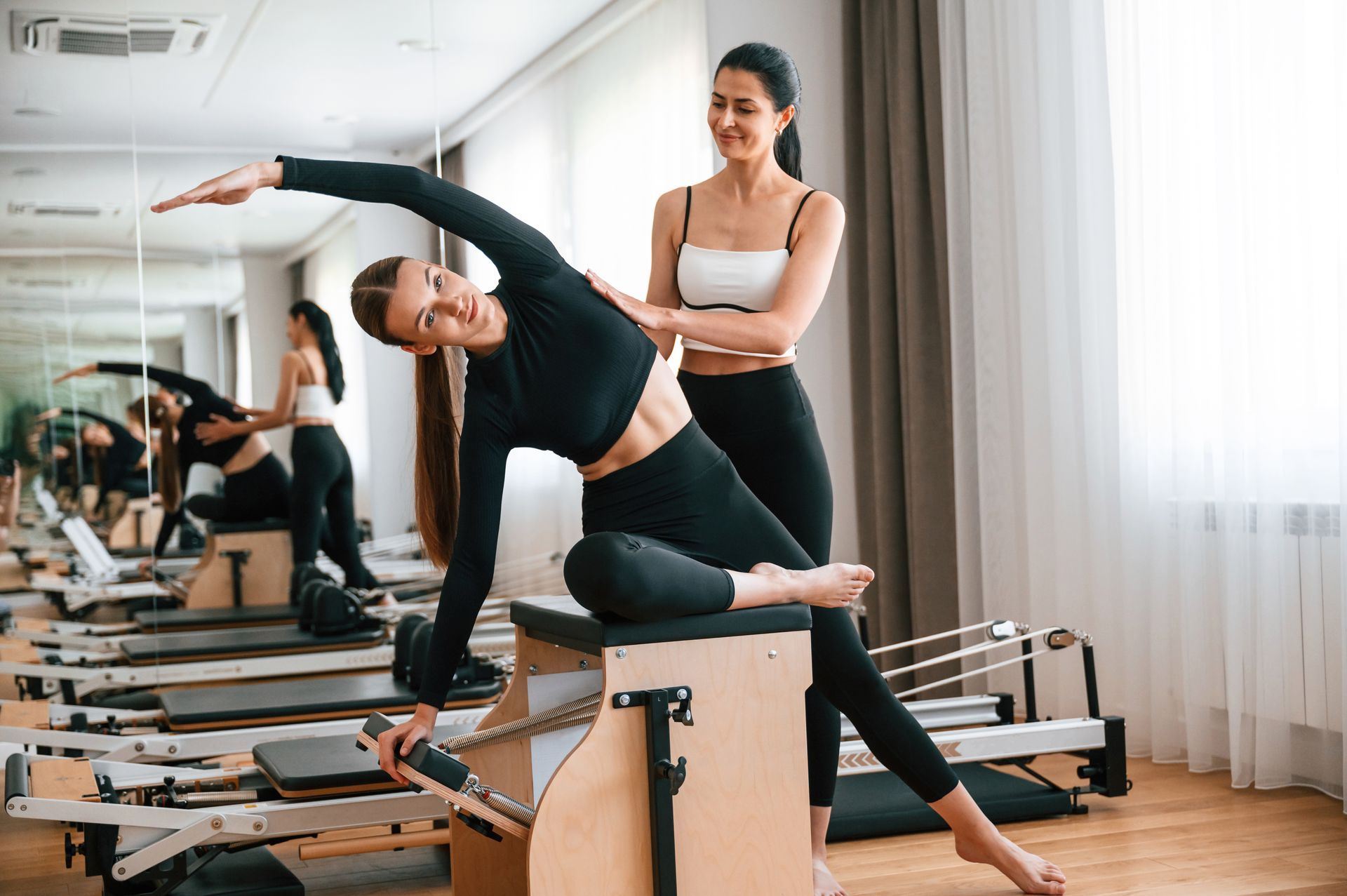
Targeted, one-on-one instruction in Hammonds Plains allows our experts to identify exactly which muscles are dormant and which are overworked. Rebuilding your foundation through precise movement patterns is the most effective way to eliminate nagging aches and restore your natural alignment.
What We Cover:
- Tip 1: Engage the Deep Pelvic Floor Muscles
- Tip 2: Correct Ribcage Flaring During Movement
- Tip 3: Rebuild the Mind-Body Neural Connection
- Tip 4: Avoid Overstretching the Lower Back
- Tip 5: Integrate Correct Form into Daily Activities
- Frequently Asked Questions
- Starting Your Movement Rehabilitation
Tip 1: Engage the Deep Pelvic Floor Muscles
Most posture problems begin at the base of the spine. If the pelvis is unstable, the entire vertebral column compensates by shifting out of alignment.
• Foundational Support: Activating the transverse abdominis creates a natural corset that protects the lower spine.
• Pelvic Neutrality: Clinical instructors ensure your pelvis is not tilted too far forward or backward before initiating any movement.
• Load Distribution: A strong pelvic floor absorbs the physical shock of walking and sitting, reducing the impact on your spinal discs.
Tip 2: Correct Ribcage Flaring During Movement
When people are told to stand up straight, they often push their chest forward and flare their ribs, which creates massive tension in the mid-back.
• Diaphragmatic Breathing: Learning to breathe laterally into the ribs rather than thrusting the chest forward maintains spinal stability.
• Core Connection: Keeping the ribs gently pulled down and connected to the core prevents the lower back from arching dangerously.
• Precision Adjustment: One-on-one sessions provide the tactile feedback needed to catch this common compensation immediately.
Tip 3: Rebuild the Mind-Body Neural Connection
Poor posture is essentially a bad neurological habit. Your brain has forgotten how to properly sequence the firing of your stabilizing muscles.
• Focused Intent: Moving slowly forces the nervous system to consciously recruit the correct muscle fibers.
• Neuromuscular Re-education: This clinical approach overwrites the dysfunctional movement patterns you developed at your desk.
• Quality Over Quantity: Perfecting a small movement builds more functional strength than rushing through a heavy, poorly executed exercise.
Tip 4: Avoid Overstretching the Lower Back
A common reaction to back pain is aggressive forward bending, which actually destabilizes the spine further by overstretching the protective ligaments.
• Targeted Mobility: Clinical Pilates focuses on mobilizing the stiff thoracic spine rather than stressing the vulnerable lumbar region.
• Controlled Flexion: Exercises are carefully selected to articulate the spine safely without placing excess pressure on the discs.
• Joint Protection: Building muscle tension around the joint ensures you have the strength to control your newfound flexibility.
Tip 5: Integrate Correct Form into Daily Activities
The ultimate goal of this therapy is to change how you move outside of the clinic. The mechanics you learn must translate directly to your daily life.
• Workspace Posture: The deep core engagement practiced on the mat directly applies to how you sit in your office chair.
• Lifting Mechanics: Understanding pelvic stability prevents injury when picking up heavy objects at home.
• Lasting Endurance: Consistent practice builds the muscular stamina required to hold good posture for an entire workday.
Frequently Asked Questions
Do I Need Experience to Start Personalized Pilates?
No prior experience is necessary to begin this rehabilitative work. Because the sessions are completely tailored to your current fitness level, the instructor will start with foundational movements. We move at a pace that is challenging but entirely safe for your specific bodily needs.
How Does Pilates Improve Mind-Body Connection?
This method requires intense concentration to isolate small, specific muscle groups while maintaining a steady breathing pattern. This level of focus trains your brain to become highly aware of your physical alignment in space. Over time, you will naturally notice and correct your posture before pain sets in.
Can Pilates Help With Chronic Back Pain?
Yes, it is incredibly effective for managing chronic back issues caused by muscular imbalances. By strengthening the deep stabilizers and improving the mobility of your hips, the stress is removed from your spinal joints. It provides a long-term, active solution that complements other hands-on clinical treatments.
Starting Your Movement Rehabilitation
Living with a tired, aching back is not a life sentence you have to accept. Rebuilding your postural endurance requires professional guidance and a commitment to moving correctly. Contact us today to schedule your personalized movement assessment and take control of your spinal health!
Share This Blog