The Truth About 'Bones Out of Place': What Happens During an Adjustment
Atlantic Chiropractic • November 4, 2026
New patients at Atlantic Chiropractic often arrive with the same picture in their head: a bone slipped out of place, waiting to be forced back where it belongs. That image, paired with the sound an adjustment sometimes makes, is enough to keep plenty of people in Hammonds Plains and Bedford from ever booking a first visit. It is also one of the most persistent myths in musculoskeletal care.
The reality is far less dramatic and far more useful to understand. Nothing pops out of alignment during a chiropractic adjustment, and nothing gets forced back into place. This guide breaks down what happens during a chiropractic adjustment at the joint level, why the sound occurs, and how Dr. Nicole Cruickshanks approaches each adjustment at our Hammonds Plains clinic.
What This Guide Covers:
• The origin of the "bones out of place" idea
• The real cause of the popping sound
• What adjustments do to joints and the nervous system
• Dr. Nicole Cruickshanks' approach to each adjustment
Where the "Bones Out of Place" Idea Comes From
The phrase has been part of everyday chiropractic language for a long time, mostly because it made the process feel intuitive to explain, even when it was never anatomically accurate. Spinal joints do not slip out of their socket the way a shoulder dislocates. What actually restricts movement is more often a joint that has become stiff or guarded, through poor posture, repetitive strain, or long stretches sitting still without a break. Chiropractors use the term subluxation to describe this reduced movement, not a bone sitting in the wrong place.
What That Popping Sound Actually Is
Every joint in your body, including the small joints along your spine, is surrounded by fluid that lubricates the joint and allows smooth movement. That fluid contains dissolved gases, mostly carbon dioxide and nitrogen. When a chiropractor applies a quick, controlled force to a restricted joint, the joint capsule stretches and pressure inside briefly drops. That change releases a small gas bubble, and the sound you hear is that bubble releasing, a process called cavitation. It is the same mechanism behind cracking your knuckles, not bone grinding or anything shifting back into alignment.
→ A quick tip to remember: the sound is gas releasing from the joint fluid, not a bone moving back into place.
What an Adjustment Is Doing to Your Joints and Nervous System
So what actually happens when a chiropractor cracks your back? The adjustment restores normal movement to a joint that was not gliding the way it should. That improved mobility reduces mechanical stress on the surrounding muscles and ligaments, which is often what was generating the pain or stiffness in the first place. There is a nervous system component too. Restricted joints can alter the signals your nervous system receives about position and movement, and restoring joint mobility appears to help normalize that input.
For patients across Hammonds Plains and Bedford who spend hours at a desk or commuting, that restriction tends to build up specifically in the neck, mid-back, and lower back.
Dr. Nicole Cruickshanks' Approach at Atlantic Chiropractic
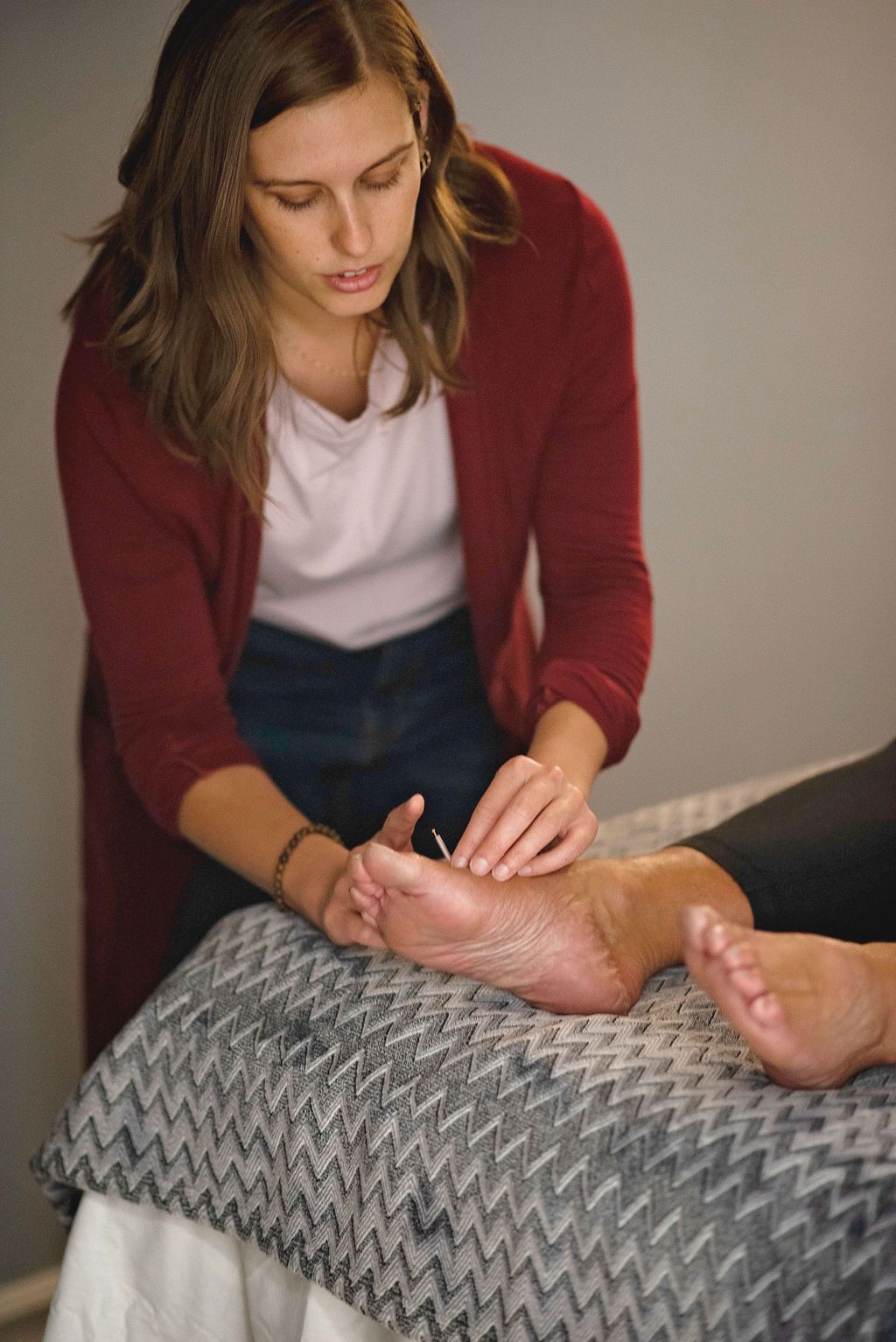
Dr. Nicole Cruickshanks, DC, BSc, does not treat every restricted joint the same way. Her assessments look at how the spine and surrounding joints are moving as a system, not just where the discomfort is being reported. Depending on what she finds, an adjustment might be paired with neurofunctional acupuncture or Frequency Specific Microcurrent to address surrounding muscle tension and nerve irritation alongside the joint restriction itself.
That reflects how Atlantic Chiropractic works as a whole. We take a whole-person approach, diving deep to pinpoint the root cause of ailments rather than treating the same symptom the same way for every patient.
Frequently Asked Questions
1. Is the popping sound necessary for an adjustment to work?
No. Some patients feel real improvement in mobility and comfort without hearing any sound at all, since the outcome depends on restored joint movement, not the noise.
2. Does an adjustment hurt?
Most patients describe a brief pressure sensation rather than pain, and any mild soreness afterwards is usually similar to what you would feel after a light workout.
3. How many adjustments will I need?
That depends entirely on what your assessment shows. Some patients notice a difference after one visit, while others with longstanding restrictions need a short series to see lasting change.
What to Expect Walking Into Your First Visit
Understanding what happens during a chiropractic adjustment tends to take away most of the hesitation that keeps people from booking that first appointment. Your first visit at Atlantic Chiropractic starts with a real assessment of how your spine and joints are moving, not a generic adjustment applied the same way to everyone who walks through the door. If stiffness or discomfort has been going untreated because of what you assumed an adjustment involved, book a visit with Dr. Nicole Cruickshanks and find out what your assessment actually shows.
Share This Blog